Meet Suzie, a black-capped capuchin monkey at EARS Sanctuary, and learn how her intelligence and curiosity thrive in a safe, enriched environment.
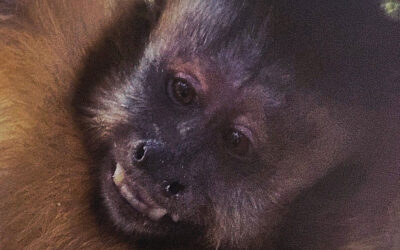
Suzie
read more

Meet Suzie, a black-capped capuchin monkey at EARS Sanctuary, and learn how her intelligence and curiosity thrive in a safe, enriched environment.
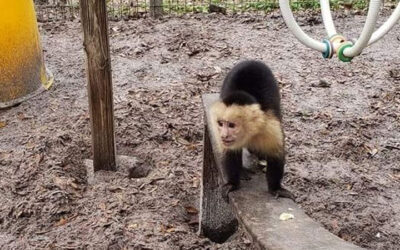
KIKI OF EARS. Watch out for this monkey as she is full of mischief! And she simply LOVES attention!
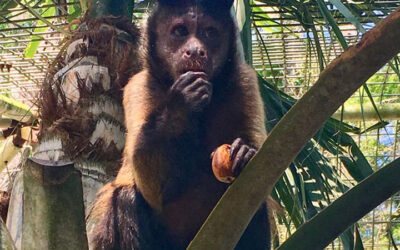
Sarah at EARS is a Capuchin Monkey and they are considered among the most intelligent of the New World monkeys.
Primates are among the most intelligent and social animals on Earth. This group of animals includes monkeys, apes, and lemurs, all known for their curiosity, problem-solving skills, and strong social bonds.
In the wild, primates live in tropical forests, jungles, and woodlands around the world, especially in parts of Africa, Asia, and Central and South America. Many primates spend much of their time in trees, using their strong arms, hands, and sometimes prehensile tails to climb, swing, and explore their surroundings.
Primates are highly social animals that often live in family groups called troops. Within these groups, they communicate using sounds, facial expressions, and body language. Social interaction is very important to their well-being, which is why enrichment, companionship, and stimulation are essential in managed care environments.
Most primates are omnivores, meaning they eat a variety of foods such as fruits, leaves, seeds, insects, and sometimes small animals. In professional care settings, primates require carefully planned diets to ensure they receive the nutrients they need to stay healthy.
Because primates are so intelligent, they need mental and physical enrichment to stay active and engaged. Activities such as climbing structures, puzzle feeders, toys, and foraging opportunities help mimic the challenges they would experience in the wild.
Unfortunately, many primates have been kept as pets or used in entertainment, which can lead to behavioral and health problems. Sanctuaries like EARS provide a safe, stable environment where rescued primates can receive lifelong care, enrichment, and the opportunity to live as naturally as possible.